
of Non-Linear Modelling
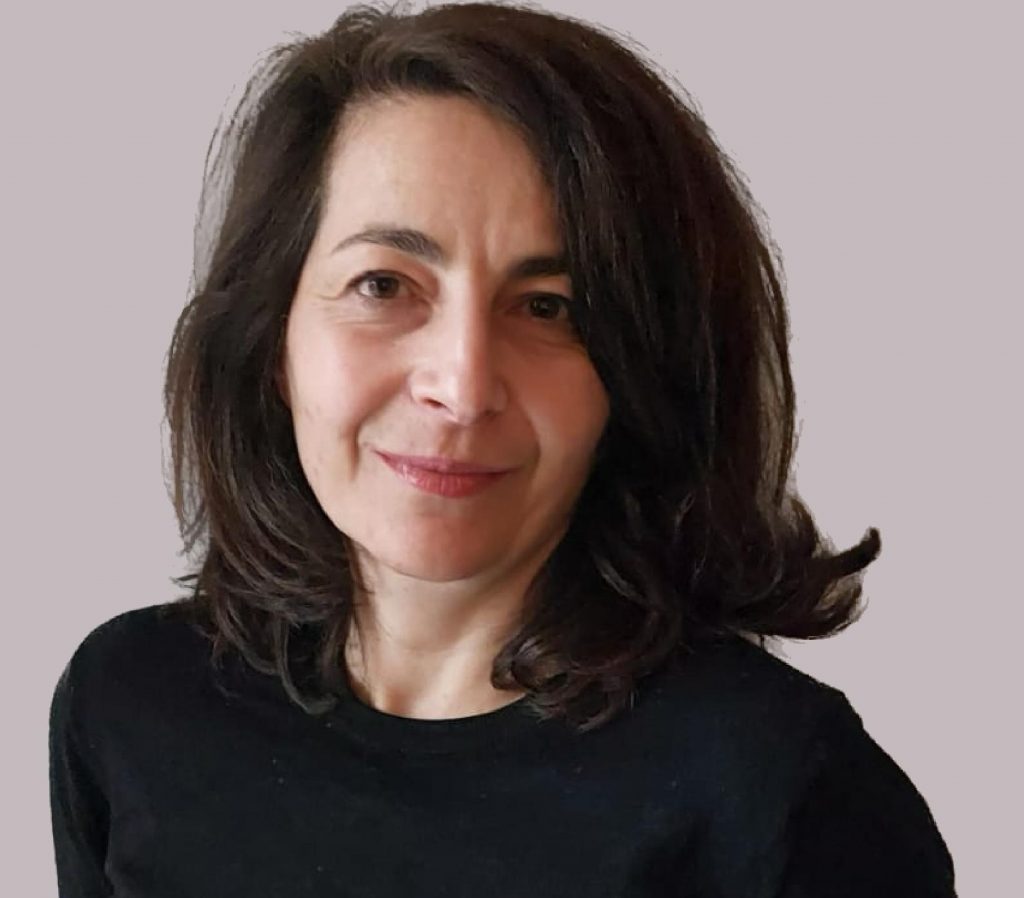
Sara Franceschelli (École Normale Supérieure, Lyon)
3-5pm, Wednesday 12 November
Room 3G05 (Lecture Theatre 2),
Dalhousie Building
University of Dundee
City Campus
And online via Teams:
Philosophy Research Seminar Sara Franceschelli | Meeting-Join | Microsoft Teams
Abstract
I will propose a reading and interpretation of Turing’s famous 1952 article “The Chemical
Basis of Morphogenesis”. Many questions still arise for the reader of the article: why did Turing not use any informational metaphor associated with the notion of “genetic program” in his work on morphogenesis, preferring instead to embark on a modelling approach based on a system of differential equations, using a mathematics that was far removed from his previous fields of work? Where did he draw his modelling inspiration from, both from the point of view of the mathematics employed and from the point of view of references to biology? I will address these questions by highlighting the morphological connotations of Turing’s work in biology, that can be easily related to Turing’s interest, from his youth, in D’Arcy Wentworth Thompson’s classic On Growth and Form (1917). After a presentation of what Turing does as a modeler, I will highlight two main features of Turing’ s engagement with biological theory (morphology and holism). I will furthermore depict in more detail three morphological signatures of his approach in relation with the kind of modelling he proposes (concerning the definition of morphogens, the study of the onset of instability, and the study of numerical solutions in a non-linear case).
Sara Franceschelli is Lecturer (Maîtress de conferences) in Epistemology and History of Sciences at the École Normale Supérieure, Lyon. She is the author of numerous works in French and English. Her research interests include complex systems, morphology and morphodynamics, morphogenetic and performative design, and productive relations between art and science.